
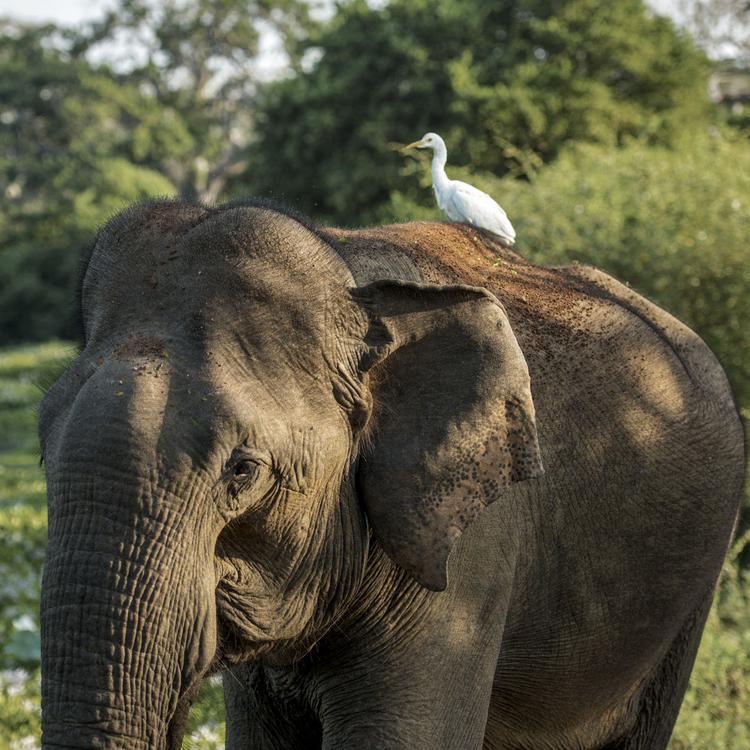

Sri Lanka’s oldest and second largest national park, Yala is situated on the island’s south-eastern corner, roughly 100 miles from Galle. The park’s USP is its leopards: Yala is possibly the best place on earth to see these majestic cats. A twitcher’s paradise, the vast reserve is also home to hundreds of bird species, huge herds of elephants, sloth bears, crocodiles, jackals, fishing cats (yes, really), monkeys, and more. On the downside, Yala also has an unenviable reputation for over-tourism. But with careful planning, a safari here will be unforgettable for all the right reasons. So, here’s what you need to know about Sri Lanka’s most popular national park…
YALA AT A GLANCE
THE BEST PLACE IN THE WORLD TO SPOT LEOPARDS?
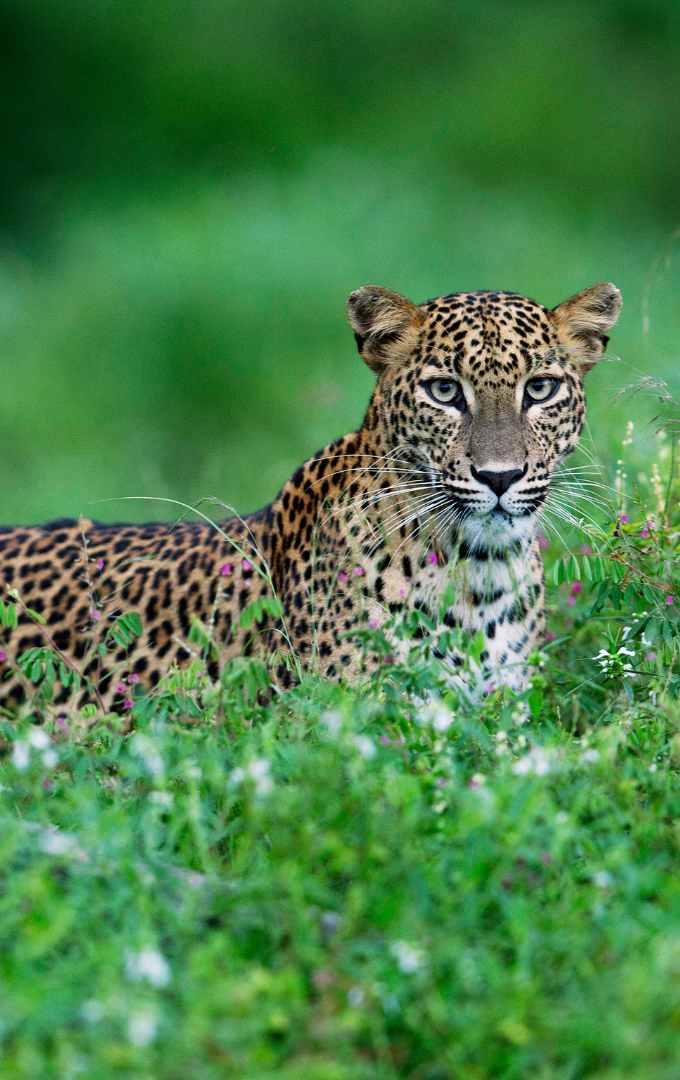
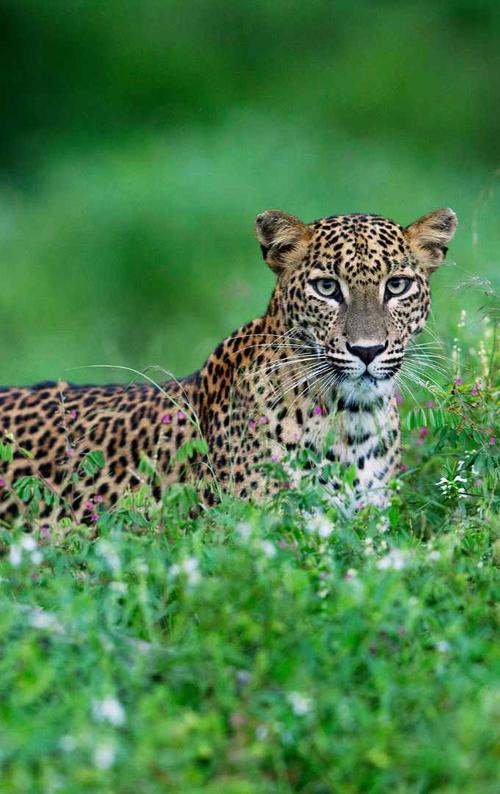
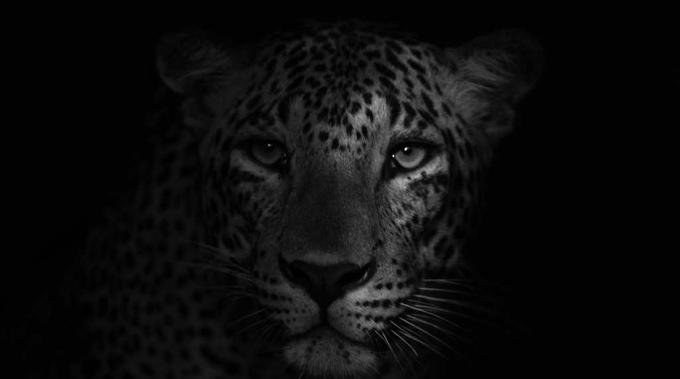
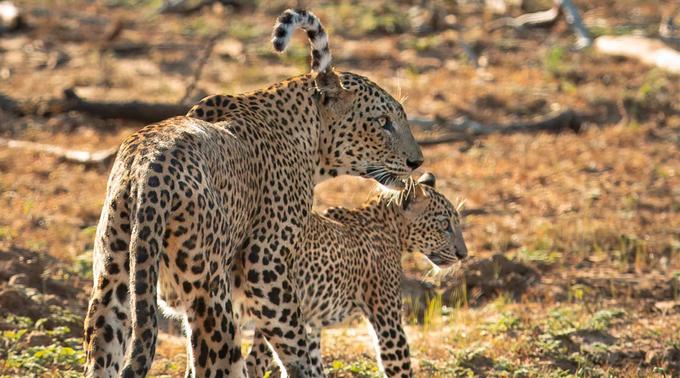
Yala National Park has one of the highest leopard densities on the planet — and not just any old leopard. As the country’s apex (top) predator, the Sri Lankan leopard (Panthera pardus kotiya) has evolved into one of the largest leopard sub-species. Yala’s abundant game and water are a dream meal ticket for these big cats, and there are reports of giant males weighing around 220lb (100kg).
Leopards hunt mainly at dawn and dusk, reserving the rest of the day for relaxing. While leopard sightings can’t be guaranteed, Yala’s terrain is perfect for playing spot the spots. The languorous cats love lazing in the forest canopy or on the vast sun-baked boulders that dominate the horizon, so remember to look up. While binoculars are a good idea, keep your ears open for the toque macaque and tufted gray langur monkeys’ alarm calls: a sure-fire sign of a leopard nearby.
Although the Sri Lankan leopard is classified as endangered, the good news is that Yala’s current population remains relatively stable. The wildlife conservationist group Yala Leopard Diary (YLD) has been identifying Yala’s leopards since 2013. Over that time, YLD’s team has identified 152 individual adults and 20 cubs in Block One alone, at least 77 of which are still roaming the range. You can learn more about Yala’s star felines, how to put a name to their spots, and how your cat snaps can aid YLD’s vital research here.
WAY MORE THAN JUST LEOPARDS: YALA'S 'OTHER' WILDLIFE
Leopard included, Yala tots up 44 mammal species. You’ll surely see Sri Lankan elephant — 350 or so are here — along with wild water buffalo, wild boar, spotted deer, and sambar (imagine the UK’s red deer, but darker and bigger). If you’re lucky, you may spot golden palm civet, red slender loris, or Yala’s other big draw, sloth bear. These usually shy, solitary bears throw caution to the wind when Palu fruit is in season; time your visit right, and you’ll enjoy a unique ‘teddy bears’ picnic’.
BIRDWATCHING IN YALA
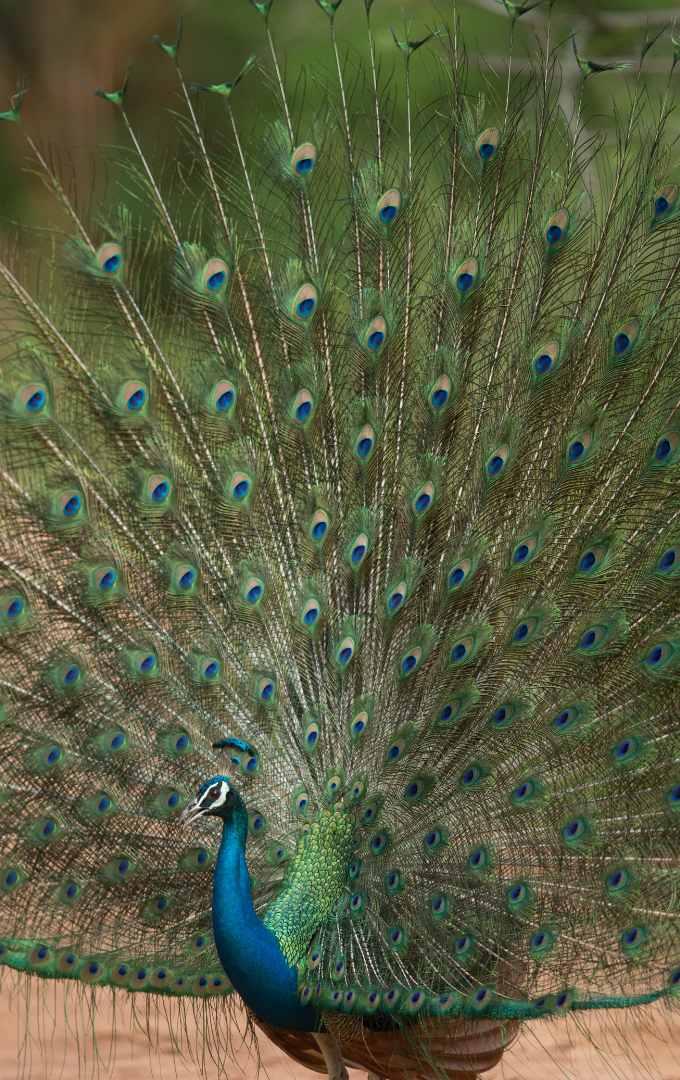
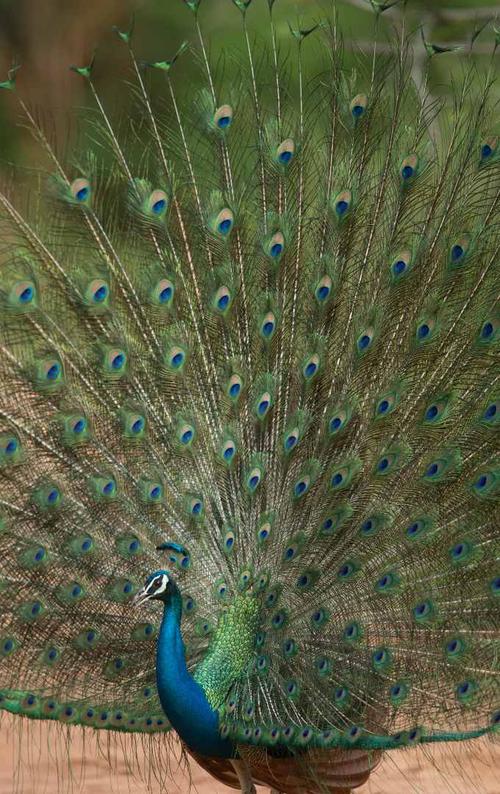
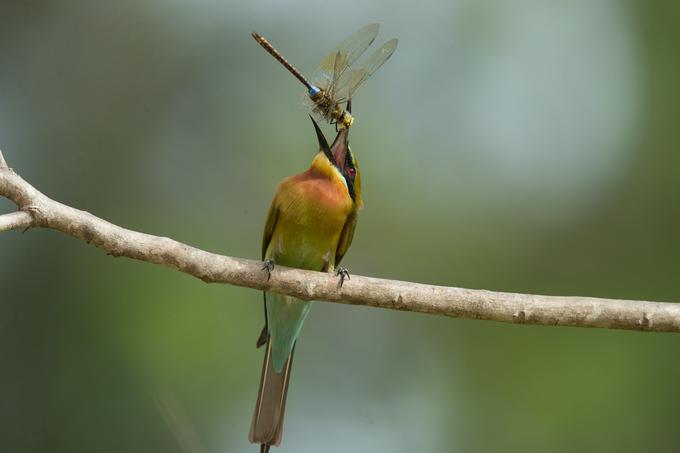
Officially one of Sri Lanka’s 70 Important Bird Areas (IBAs), Yala’s biodiversity creates a haven for birdlife and birders. Some 215 bird species have been recorded, including six endemics: the Sri Lankan grey hornbill, Sri Lankan junglefowl, Sri Lankan wood pigeon, black-capped bulbul, brown-capped babbler, and crimson-fronted barbet (listen out for its constant ‘morse code-style’ pips!). And come the winter months, hundreds of migratory species call by, too. From pelicans, peafowls, and peregrine falcons to spoonbills, sunbirds, and serpent eagles, Yala’s avian array is truly astonishing. If you’ve never been bothered by birds, prepare to be blown away.
YALA'S REPTILES
A hotspot for reptiles, Yala writhes with scaly surprises. From mugger and saltwater crocodiles, Indian cobras, and fan-throated lizards to all five globally endangered types of sea turtle, the park’s 47 known reptile species range from decidedly dangerous to beautifully benign. And yes, we do sleep easier knowing that the Sri Lankan flying snake — one of Yala’s five endemic species — is only ‘mildly’ venomous.
YALA'S TERRAIN
Stretching from monkey-riddled shrub jungle to the sandy shores of the Indian Ocean where turtles nest, Yala’s unique blend of ecosystems is found nowhere else in Sri Lanka. The park’s biodiverse terrain includes riverine, thorn, and monsoon forests; granite outcrops; scrub; savannah grasslands, and marine and freshwater wetlands. The varied landscape supports a host of fascinating smaller creatures, from 21 fish and 18 amphibian species to a kaleidoscope of butterflies, including the dazzling Crimson Rose swallowtail.
BLOCKING IT OUT: YALA'S LAYOUT EXPLAINED
The size of the City of Los Angeles, Yala’s 469 miles2 are divided into six ‘blocks’ — but only blocks one, five, and six are easily accessible to visitors. To enter block two, you need prior permission plus two 4WD jeeps. Block three is currently shut. Block four is a nature reserve and off-limits to the general public.
Given Yala’s size, where you stay will define where you can explore. Each block has pros and cons, so consider these when choosing accommodation.
YALA BLOCK ONE
+ Best for leopard spotting
- It can get VERY busy
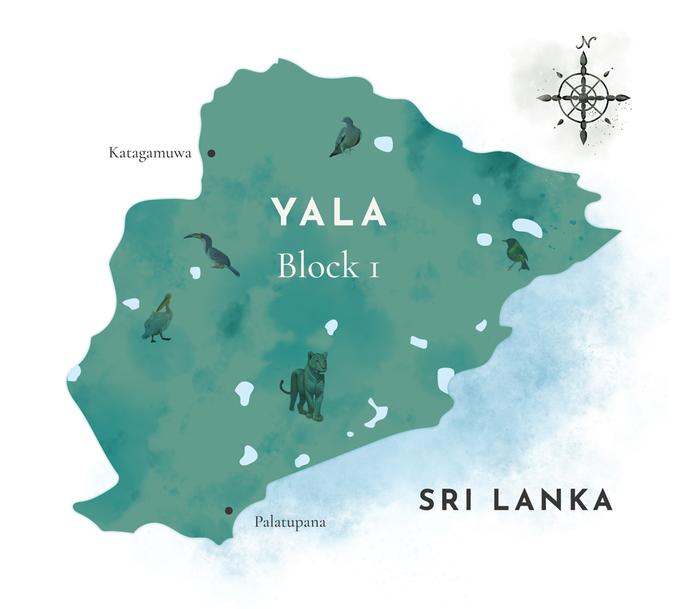
With by far the most leopard sightings, Yala’s main block also gets the most visitors. Access is via one of two gates: Palatupana (the southern and busiest entrance) and Katagamuwa. As most hotels are based around Palatupana, the gate here can get very congested; be prepared for traffic and queues. On the upside, leopards are often spotted in this southern end — just don’t expect a private show. Chances are you’ll be bumper to bumper with other vehicles, especially over weekends and public holidays when local traffic sees visitor numbers soar.
With far less accommodation nearby, the north-eastern gate of Katagamuwa makes for a quieter entrance. Leopard sightings are good here, too, so we think it’s a much better option. (But be warned: stay near Palatupuna and you’ll need an early wake-up call — Katagamuwa is a 45-minute drive.) While this side of the park can be a little busy, over-crowding is less of an issue. The main problems occur when Katagamuwa’s cats’ are spotted while Palatupana’s are playing hard to get. If this happens, jeeps will stream up from the south — but you should get an hour or two’s grace before the hordes arrive.
YALA BLOCKS FIVE AND SIX
+ Much quieter. Great for elephants and birdlife
- Unlikely to see leopards or sloth bears in Block Six
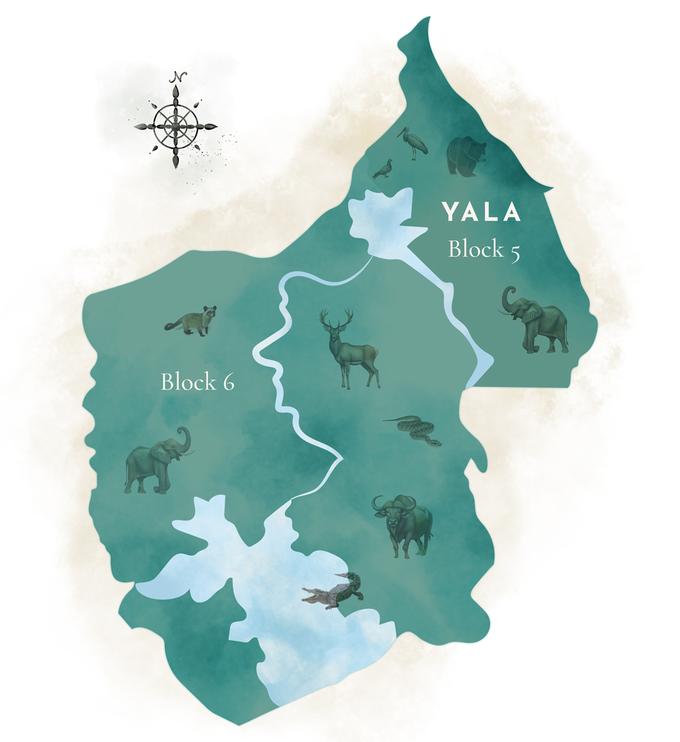
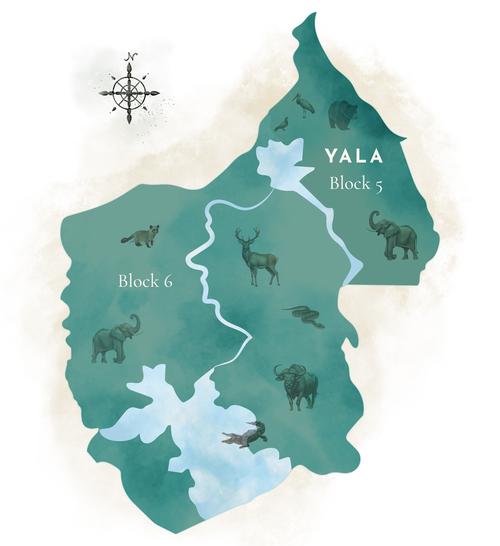
With far fewer visitors (the commute from Palatupana would take hours), these two blocks offer a much more intimate, ‘traditional’ safari experience. Both blocks are accessible via the Galge gate in Buttala (a 45-minute drive from Katagamuwa). Block Six — aka Lunungamwehera National Park/Yala West — also has a main gate on the Hambantota - Wellawaya Road near Thanamalwila. Importantly, there is no direct entry from Block One, so even if Martians land, you’ll have ages before the crowds get wind!
Offering a deep dive into nature, the wildlife here can be spectacular but quite shy. This is especially the case in Block Six — by far the least visited block — where sloth bear and leopard are seldom seen. In Block Five (where the animals are more habituated to traffic), leopard sightings are still fair/good, but having a professional guide/tracker will up your chances of striking lucky.
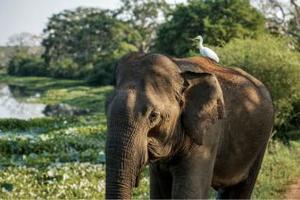
What you can find here are elephants aplenty (particularly in block six), along with deer, buffalo, giant squirrel, palm cat, and grey, brown, and striped-necked mongoose. Both blocks are rich with amphibians and reptiles, including crocodiles, water and land monitors, Indian python, Russell's viper, and choruses of croaking frogs. And if it’s birds you’re after, don’t miss Block Six’s reservoir, which attracts countless water and forest birds (184 species and counting), especially over our winter.
YALA HOLIDAY IDEAS
You can include this experience as part of an Experience Travel Group holiday designed exclusively with you.
NATURE & WILDLIFE EXPLORER
Gorgeous scenery, birdlife, and the varied animal population that Sri Lanka has to offer, staying in tucked-away hotels

SLOW PACED LUXURY
Some of the most beautiful luxury accommodation in the south of Sri Lanka and a deluxe wildlife safari away from the crowds
SRI LANKA IN DEPTH WITH THE MALDIVES
Three-week holiday taking in the local culture, nature, and wildlife of Sri Lanka with five blissful days in The Maldives
HOW TO MAKE THE MOST OF YALA NATIONAL PARK:
WHEN TO VISIT: YALA THROUGHOUT THE YEAR
Situated in Sri Lanka’s semi-arid dry zone, Yala’s average temperature hovers around 27°c, rising to mid-to-late 30s at the height of the dry season. The park is at its best from late April to August. Rain — when it comes — tends to fall in April, November, December, and January.
FEBRUARY - APRIL
The monsoon rains are subsiding, but visitor numbers are peaking, so choose which areas to explore carefully. While the south-western monsoon can bring intermittent rainfall around April, these months are usually relatively, increasingly dry.
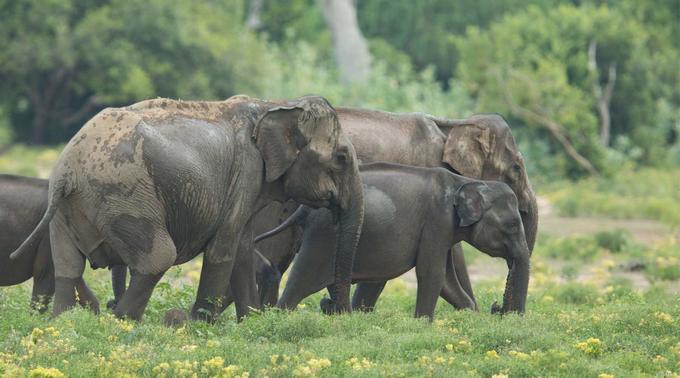
March and April are brilliant months to see elephants in large herds. This is the mating season, so expect to find big bull elephants in musth stomping around looking for action. Pumped full of testosterone, they’re at their most volatile, so keep your distance.
Avoid also the Sinhalese and Tamil New Year of April 14th and the Buddhist festival of Vesak Poya (held around May’s Full Moon), when the park will be crammed with celebrating Sri Lankans.
MAY - JUNE
These are our favourite months to visit Yala. The park is still green after the inter-monsoon rains, but vegetation is dying back, and animals are starting to congregate at waterholes, so wildlife viewing is good. The peak nursery months, expect to see rumbunctious elephant calves and even leopard cubs. It’s also the start of Palu season: the best time to see sloth bears. The berries of the ironwood tree, ripe Palu is the bears’ favourite meal. You’ll find the black, shaggy bears in and around the trees, gorging themselves silly or sleeping off their feast.
JULY - OCTOBER
Yala’s hottest, driest period sees the park at its most parched and wildlife forced to converge in the few areas where water still exists. As most jeeps follow suit, the overcrowding at these points can be intense and uncomfortable to witness. A key time for European travellers, the August school holidays are especially busy.
Historically, Block One has shut throughout September and part of October, primarily to protect the wildlife’s wellbeing. While that hasn’t happened recently, a late October getaway could be a safer bet if you’re set on an autumnal adventure.
NOVEMBER - JANUARY
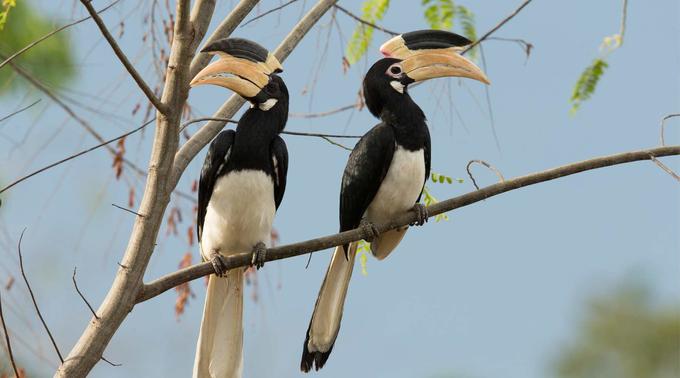
While Yala’s rainy season isn’t set in stone, these months typically bear the brunt of it. The north-eastern monsoon’s arrival sees roads harder to navigate, many animals heading for cover, and denser foliage. While not great for general safaris, this is a top time for twitchers, thanks to the influx of thousands of migratory birds. If you’re prepared to get wet, you’ll find the lush park garlanded in wildflowers and (Christmas holidays aside) at its quietest.
GET THE RIGHT GUIDE
No ifs, no buts: to get the best out of Yala, an experienced naturalist guide (tracker) is a must. But as in Africa, you get what you pay for and need to plan ahead. Countless local operators offer same-day ‘guided safaris’ at seemingly great prices. In truth, most are just ‘jeep taxis’, and complaints of undisciplined drivers harassing wildlife are common. To raise standards, from January 2024, all drivers entering Yala must have completed a day’s training and be licensed with the Department of Wildlife Conservation (DWC) OR be accompanied by a DWC tracker. Hopefully, this new legislation will stop the cowboys, but only time will tell.
Regardless, the best option is to book in advance and avoid any bargain basement deal. Having a knowledgeable guide who cares about the wildlife AND your well-being is worth every penny. The top trackers work mainly for the leading luxury safari camps/lodges, which come at a price. But for guests open to accessing the park via Block 5, there are still high-quality options, such as Treetops Jungle Lodge or Flameback Lodge. Both employ superb trackers and don’t cost the earth.
Many of the best guides have their specialisms. Some are leopard gurus, others legendary birders or brilliant photography tutors. There are even a brave few renowned for handling lesser-spotted teenagers. Where you stay will determine the guides available to you. The top guides and camps book up fast, so tell us your wildlife wish list as early into the booking process as possible. While we can’t guarantee the flora and fauna you’ll find (Yala isn’t Whipsnade), we can promise to track down the perfect guide/camp combo for your needs, so the more intel we have up front, the better.
ON THE DAY
Don’t forget to let your driver and guide in on your wildlife wishes - be it leopard spotting, bird watching, or just exploring Yala's wild vibes in relative peace and quiet. They're experts at tracking, not mind reading! Setting expectations directly will help ensure your adventure hits the right notes.
YALA: WHERE TO STAY
Yala offers a bewildering range of accommodation, not all of it good. At ETG, we test all the properties we offer, so whether you dream of nights under canvas, 5* luxury, or a blend of both, you can be sure anywhere we suggest is somewhere we’d happily revisit. To kickstart your journey, here’s a snapshot of some of our favourite escapes. For more options, get in touch, and we’ll find the camp bed or thread count that’s right for you.
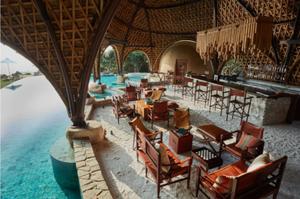
WILD COAST TENTED LODGE, YALA
Luxury cocoon-shaped tents, allied with a beautiful coastal location: Wild Coast delivers a unique, cool twist on the traditional African-style safari lodge.
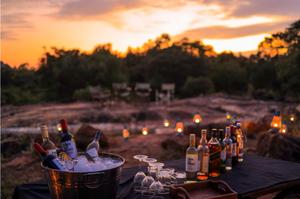
CEYLON WILD SAFARIS, YALA
Owned, run, and operated by passionate naturalists. Rustic enough to feel suitably ‘safari’, but the spacious, even swanky tents and plunge pools will keep even picky souls happy.
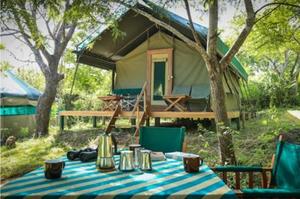
KULU SAFARIS, YALA
Sri Lanka’s original luxury wildlife outfit, Kulu’s responsible, immersive safaris offer an unforgettable rumble in the jungle: the remote camp comprises just four authentic safari tents.
Wildlife images courtesy of Ceylon Wild Safaris